Understanding Your Baby’s Skin Barrier: A Parent’s Guide
Bask Team
Baby Skin Health Expert
From the moment your baby is born, their skin begins a remarkable transition. In the womb, the vernix caseosa (a waxy, white coating) protected their skin from the amniotic fluid. Once that coating is gone, your baby's skin is on its own, and it's far more vulnerable than you might realize.
Why infant skin is different
Infant skin is approximately 30% thinner than adult skin. The outermost layer, the stratum corneum, which acts as the body's primary barrier against moisture loss and environmental irritants, is still developing. It has fewer lipid layers, less natural moisturizing factor, and a higher surface pH than mature skin.
All of this means that baby's skin loses moisture faster, absorbs substances more readily, and is more susceptible to irritation. This isn't a flaw. It's just biology. The skin barrier takes time to mature, and in the meantime, it needs support.
What makes the diaper area especially vulnerable
The diaper area presents a unique challenge. Skin there is continuously exposed to moisture from urine and stool, friction from the diaper itself, and enzymes (proteases and lipases) that actively break down the skin barrier. On top of that, urine raises the skin's pH from its ideal acidic range (around 5.0 to 5.5) to a more alkaline level, which activates those enzymes and accelerates irritation.
This combination is why diaper dermatitis affects up to 50% of infants at some point during their first year. It's not a failure of parenting. It's a predictable consequence of immature skin facing a tough environment.
Think of the skin barrier as a brick wall
The "bricks" are skin cells called corneocytes, and the "mortar" is a mixture of lipids like ceramides, cholesterol, and fatty acids that hold everything together and prevent water from escaping. In healthy adult skin, this wall is strong and well-organized. In infant skin, the bricks are smaller, the mortar is thinner, and the whole structure is still being built.
When the barrier is compromised, irritants can penetrate more easily, moisture escapes faster, and the skin becomes inflamed.
How to support your baby's skin barrier
Understanding the barrier isn't about creating anxiety. It's about making informed choices. Here are the key principles:
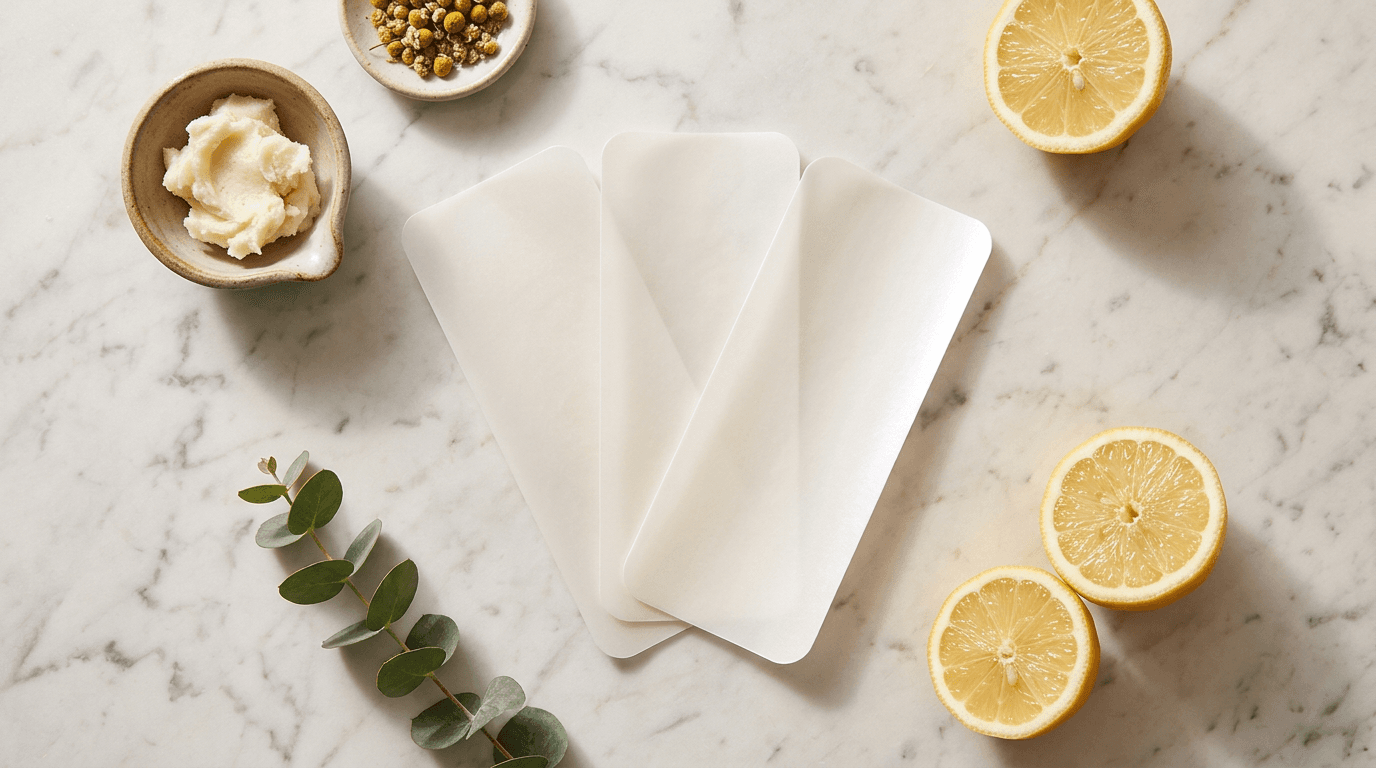
- Replenish lipids. Emollients like shea butter and squalane are known for mimicking the natural lipids in skin, helping condition that "mortar" between cells.
- Maintain pH balance. A slightly acidic pH is part of the skin's natural comfort zone. Citric acid buffers are widely used to help maintain that balance.
- Minimize friction and moisture exposure. Frequent diaper changes and breathable materials help keep the environment gentler on skin.
- Choose fewer, better ingredients. Infant skin absorbs more than adult skin. Every ingredient that touches it should have a clear, well-studied purpose.
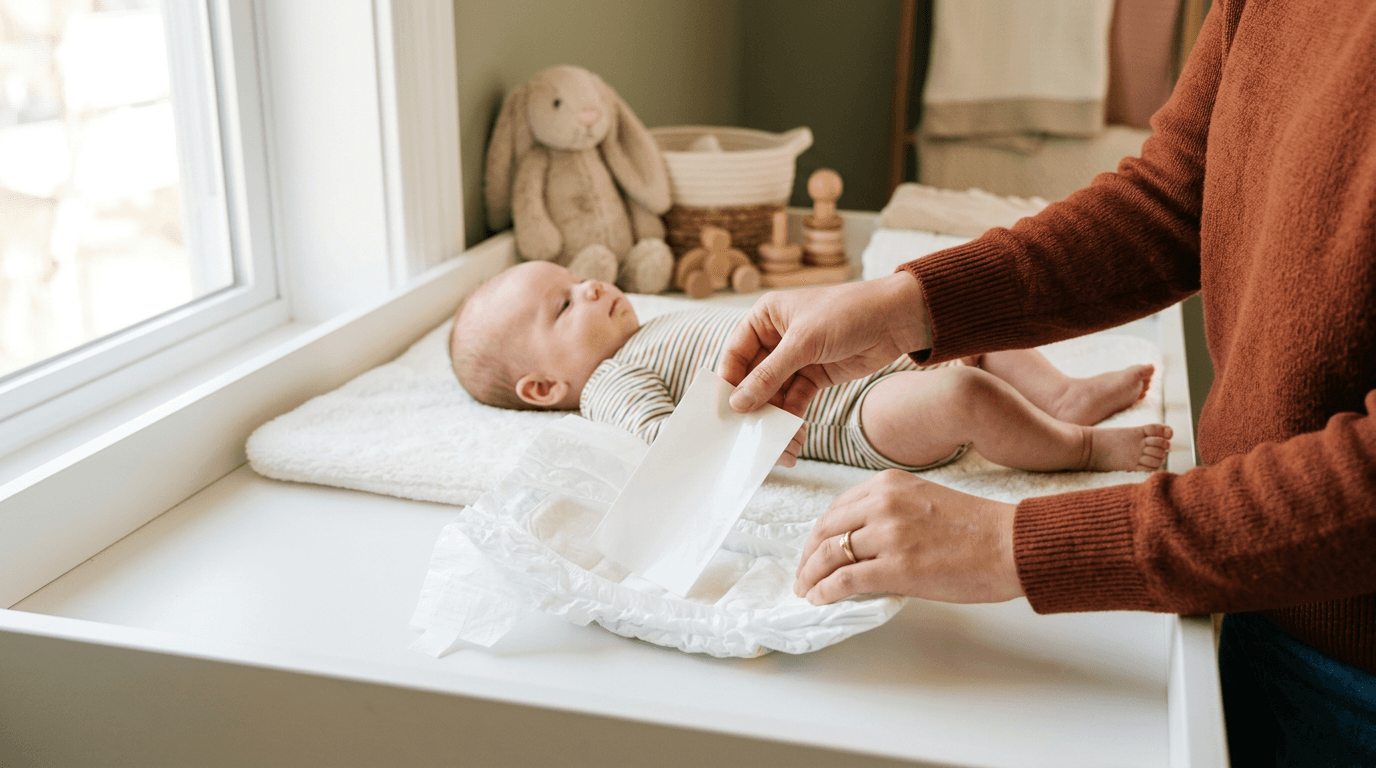
When you know that infant skin is thinner, more permeable, and more reactive, you can choose products that work with their biology, not against it. That's the whole idea behind the Bask Gentle Liner: six ingredients, each chosen specifically to condition infant skin, delivered passively inside any diaper.